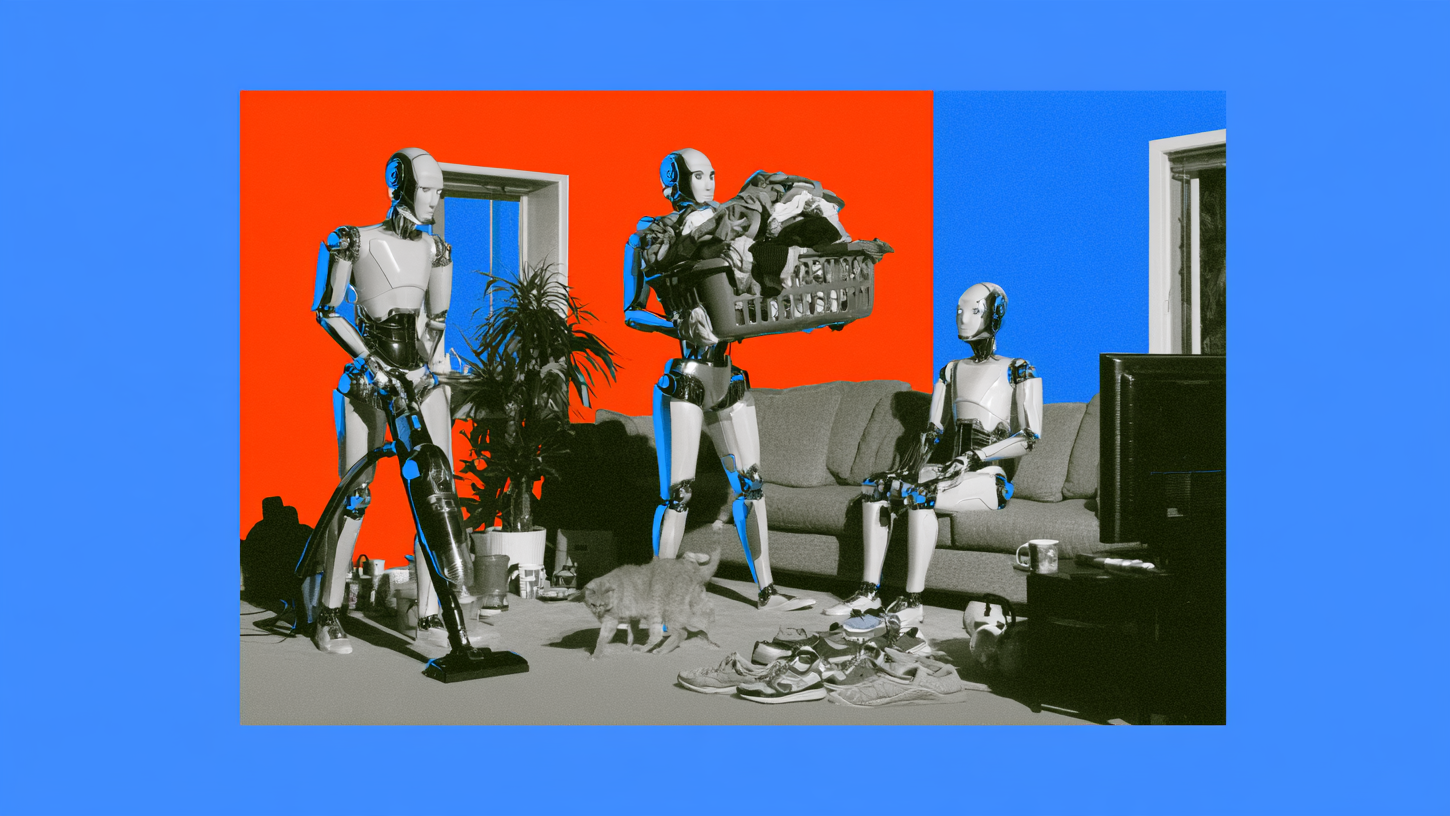



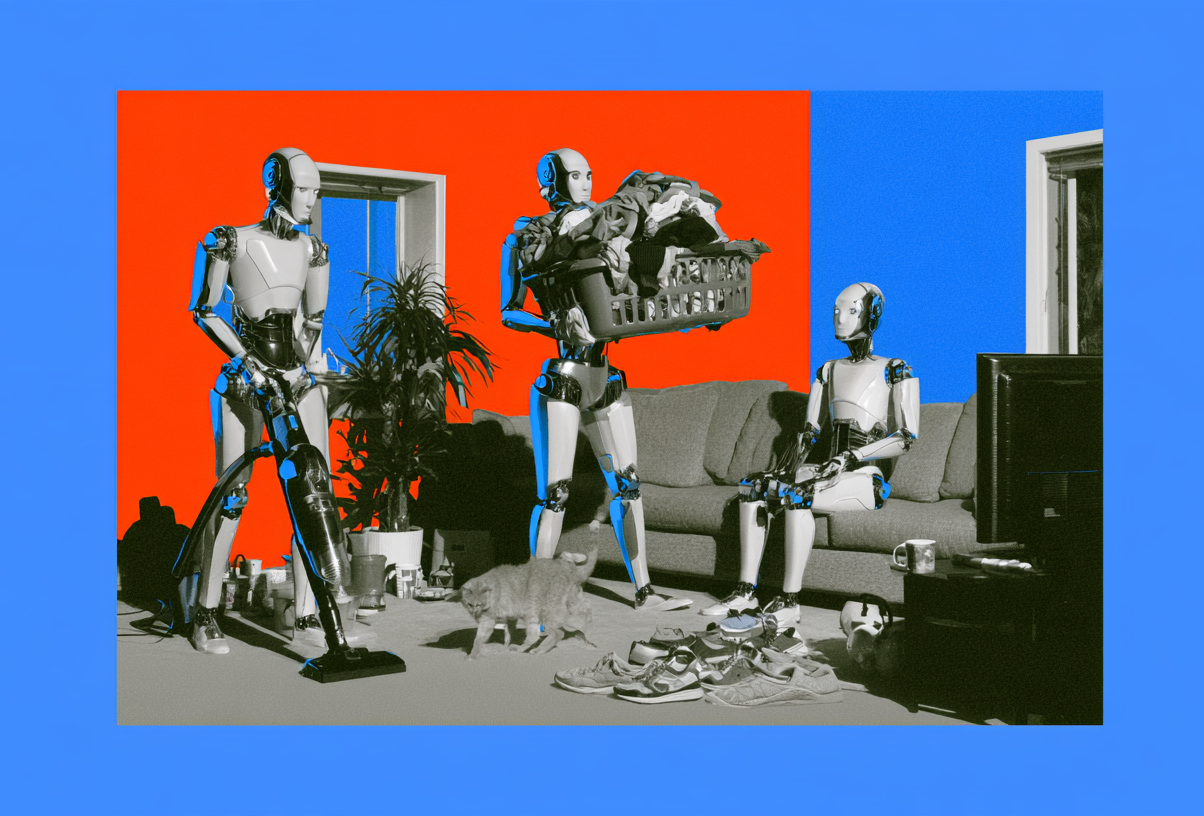
Robots that box, dance, climb stairs, and play soccer greeted me at IFA 2026.
While robots are typically part of the tech conference razzle-and-dazzle, this time was a bit different, as many of these robots were actually available for purchase. While the prices are steep, costing up to tens of thousands of dollars and, in most cases, not yet affordable or justifiable for most consumers, the hardware itself looks ready and has convinced me that the leap from spectacle to a product you can buy is closer than we think.
"Looking at human-like robots, it's a spectacle, it's an eye-catcher. But the question is valid: what does it mean for me? Is it just a movie, a show? Or do I benefit from it? Maybe not in the next couple of months, but in years, yes," Leif Lindner, CEO of IFA Berlin, told The Deep View.
Lindner added that he recently visited robotics camps in Shenzhen, where one of the biggest challenges identified in making truly human-like robots was their dependence on vast amounts of data for training and operation. Also, making these household helper robots a longer-term prospect depends on consumer trust in how their data is used.
Yet AI developments will likely soon make it possible to close that gap. For instance, obtaining accurate simulated data is much easier than it was before AI exploded onto the scene, as seen in advancements by Nvidia with its Omniverse and Cosmos platforms and by physical AI startups such as Fei-Fei Li's World Labs, all of which are trying to tackle that problem.
In terms of data, people are increasingly willing to share a lot of their personal information, data, and even real-time feeds through products like smart glasses to get smarter AI features. Ultimately, with AI helping close the gap on both of robotics' biggest obstacles, I believe a robot in the household may be a future that's closer than we think.
"Robotics is, for me, the alarm clock for everybody to showcase that innovation is here. Therefore, we are saying the future is now," added Lindner.
Our Deeper View
Of course, AI won't solve the cost problem, as humanoid robots still carry very steep price tags. Even if they reach the point where they can do everything the ideal version of them is meant to do, the purchase could be hard to justify. For instance, the Xiaomi CyberOne runs $99,999, and the Unitree G1 runs $13,500. But that's the standard curve for new hardware: computers and cars followed the same path before supply and demand evened out. And we're likely to finance robots like cars or computers. That's why I don't think humanoid robots will be commonplace in households within 5 or even 10 years. But what's striking is how fast they are advancing, with AI not just reshaping products but also how people think about data privacy. A robot-filled future, once assumed to belong to sci-fi or being decades or even centuries away, suddenly feels closer than expected.
Disclaimer: Sabrina Ortiz's travel to IFA 2026 was paid for by IFA. The Deep View's coverage is editorially independent from the companies we cover.