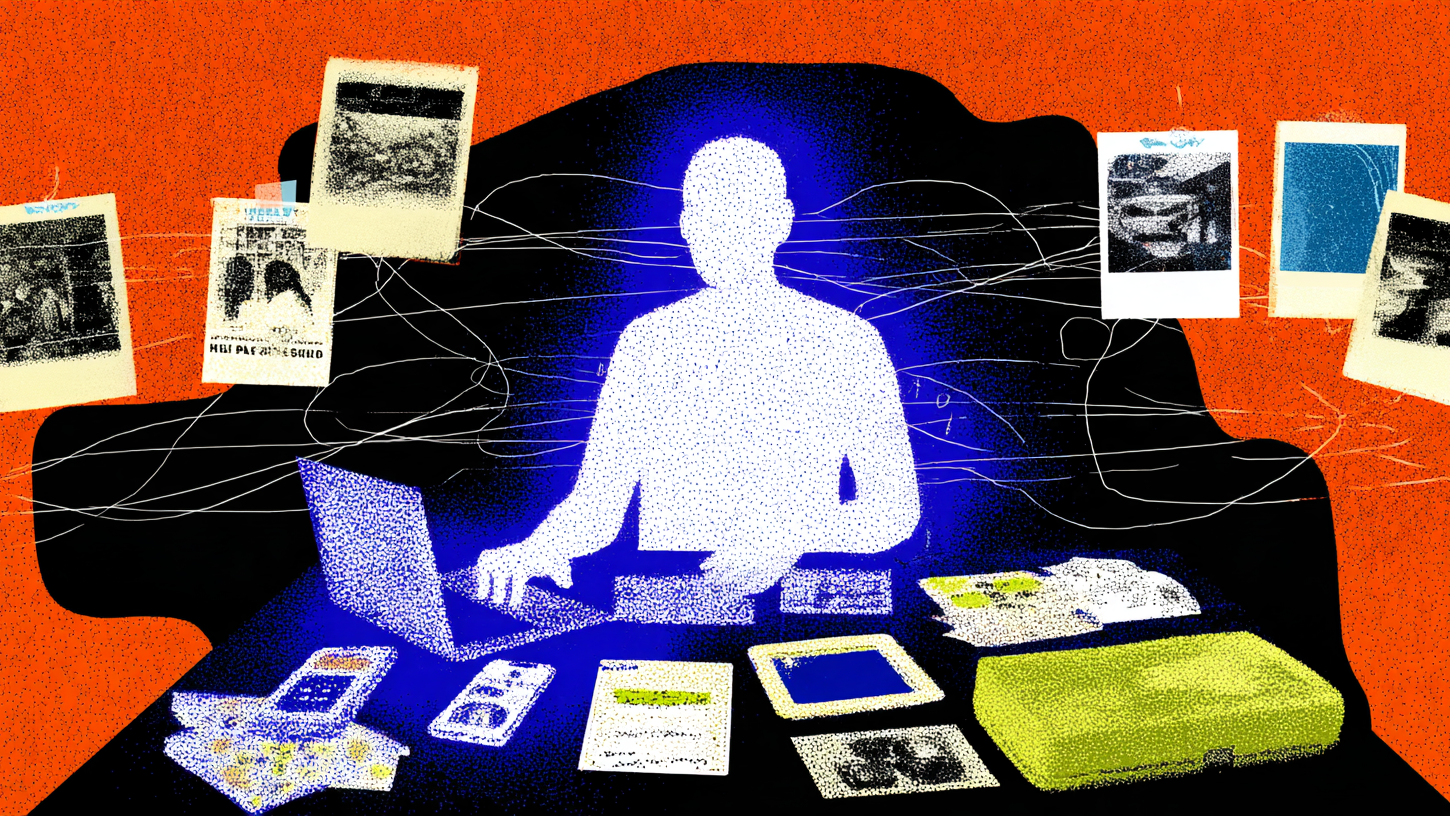



Meta CEO Mark Zuckerberg has touted the company's commitment to building "personal superintelligence," including in a recent 6,500-word essay. Now, the company is taking its first steps in that direction.
On Tuesday, the company announced Muse, a personal AI agent built for consumers' everyday tasks, is now available for US users. The company said that Muse can handle busywork, answer questions, browse the web, fill out firms, make purchases, create documents and more. The agent also watches user activity to proactively help with goals and make suggestions.
In a post on X, Zuckerberg said that Muse is free to use for up to 100 million tokens per week, with subscription plans available for those who use more. Additionally, users need no technical experience to use it, Meta said, working "out of the box" for the average consumer.
- When a user shares a goal with Muse, the agent develops a plan to coordinate their time and resources before pushing that task forward. The model checks with users before taking "sensitive actions," the company said, including purchases or sending emails.
- However, in order for the agent to work as well as Meta purports, users must connect Muse to any platform they may use on a daily basis, including things like calendars, email accounts, payment platforms and more.
In the company's blog post, Meta emphasized safety from the jump, claiming that Muse is built "from the ground up" to be safe, secure and private. The platform runs on Muse Secure VM, a virtual machine that holds the agent itself and a user's data. Additionally, a "sentinel" agent runs on the virtual machine, though it is kept separate from the agent at a system level. Later this year, Meta said it will launch Muse Confidential VM, a virtual machine that's encrypted with a key that only the user holds, "so not even Meta can access it."
The model has no visibility into passwords or payment methods, and any credentials a user shares go into secure storage that allows them to use them without seeing them. Meta said that no user information is shared with its ad platform.
The release also signals that Meta is betting big on consumer AI as rivals like OpenAI and Anthropic keep their sights set on enterprises as their cash cow. However, as one of the biggest social media providers globally, Meta has had a rocky history with consumer trust and safety, including being forced in August to pay $18 billion to settle a multi-state lawsuit alleging that the firm knowingly designed social media platforms Instagram and Facebook to addict children, and a number of lawsuits relating to its handling of private data.
In a statement to The Deep View, Miranda Bogen, director of the governance lab at the Center for Democracy and Technology, noted that while these systems promise convenience, they require "an enormous amount of private data to function." Additionally, the consequences of agents messing up are more than just "a bad recommendation or a creepy ad."
"With minimal input from users, these systems could take actions that damage someone’s reputation, leak sensitive medical information, or even deplete bank accounts," said Bogen. "Given the stakes, the assurances companies are offering around reliability and privacy seem concerningly inadequate."
Our Deeper View
Bogen's assertion is worth noting: The stakes of what can go wrong with a user's private data and accounts are far higher with an agent that can take autonomous action than they are with simply putting your data into a chatbot or social platform. Though Meta emphasized privacy, safety, and security, the reality of the risks and the perception of them are two different things. Meta earned a scarlet letter following the Cambridge Analytica scandal, and while people continue to use its social media platforms, its AI is already much less popular than competitors like ChatGPT and Claude. Though the company's existing consumer popularity might give it a slight advantage, given its history, the frontier labs such as Anthropic, OpenAI, and Google, or even a competitor like Apple, may have a better shot at earning the trust of consumers.